ALEXANDER TECHNIQUE
The Alexander Technique is a method for improving posture, movement, and overall ease of use of the body. Developed in the late 19th and early 20th centuries by F. M. Alexander, it teaches awareness and conscious inhibition of habitual patterns of tension that interfere with natural coordination.
I use gentle verbal guidance and hands-on touch to help clients discover alternatives to inefficient or harmful ways of holding and moving themselves.
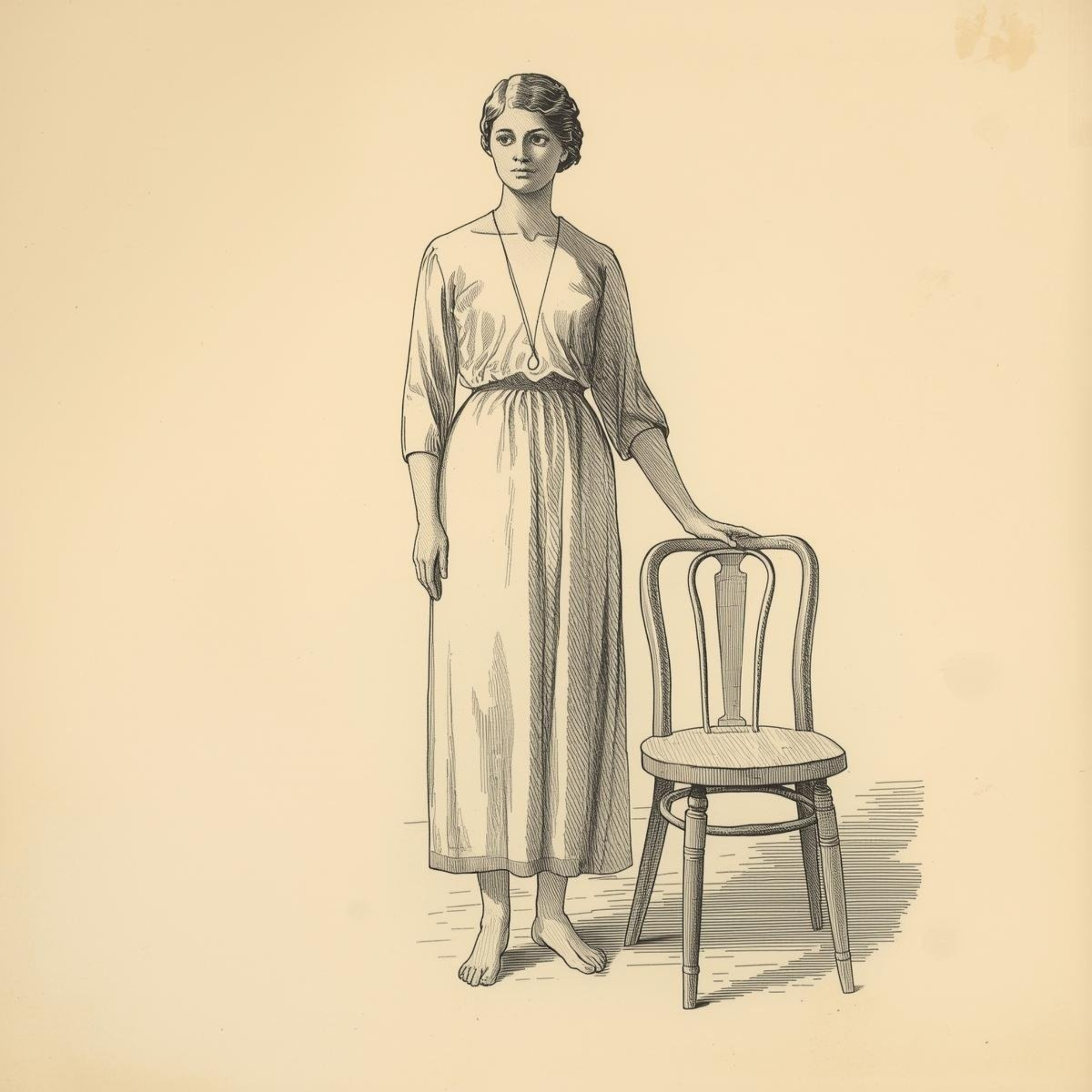
A session may last 30-60 minutes and includes chair and table work. The client is fully clothed. The session may involve standing, sitting, lying down, walking, bending, or performing work-related tasks, while I offer verbal instructions and gentle manual guidance.
Rather than prescribing exercises, I help clients unlearn harmful habits and practice more efficient ways to move and support themselves.
-
People with chronic neck or back pain, performers seeking improved ease and presence, those wanting better posture or balance, and anyone interested in reducing habitual tension patterns can benefit.
Individuals with specific medical conditions should consult their healthcare provider before starting any new therapeutic approach.
-
Learning and Practice Progress typically requires multiple lessons and daily practice—integrating small, mindful adjustments into ordinary tasks rather than performing isolated exercises. Many teachers provide guidance for home practice, such as simple directions (e.g., "allow the neck to be free," "let the head go forward and up") and mindful attention during routine movements.
-
Evidence and Scope Research on the Alexander Technique includes randomized controlled trials and cohort studies. Evidence suggests it can reduce chronic back pain and improve functional outcomes and self-efficacy.
Outcomes can be influenced by the length and frequency of lessons and by how consistently students apply principles in daily life. The technique is not a medical cure-all; it is most effective as part of a broader approach to health that may include medical care, physical therapy, and exercise.
BENEFITS:
Reduced chronic muscular tension and pain, particularly neck, shoulder, and back pain.
Improved posture and balance.
Easier, more efficient movement for daily activities and performance arts (e.g., dancers, musicians, actors).
Enhanced breathing and voice use.
Greater body awareness
-
Results depend on committed practice and time; one lesson rarely produces lasting change.
The technique emphasizes awareness and recognition of habits rather than passive treatments.
Hands-on interaction means teachers and students should discuss comfort levels and any contraindications (e.g., acute injuries) before sessions.