CRANIOSACRAL THERAPY
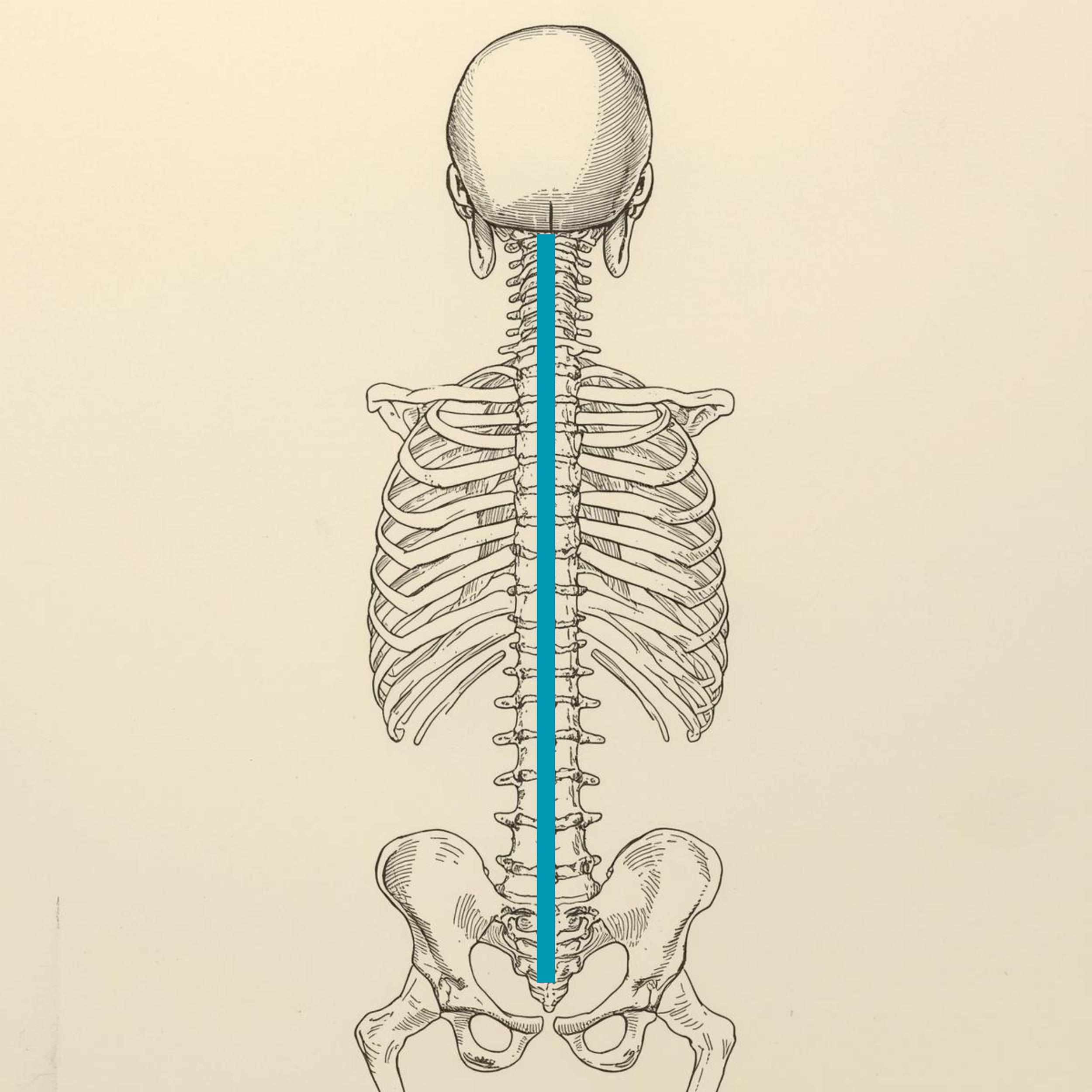
Craniosacral Therapy (CST) is a gentle, hands-on bodywork approach that focuses on the craniosacral system — the membranes and cerebrospinal fluid that surround and protect the brain and spinal cord.
Trained by the Upledger Institute CSTLevel 1. I use light touch, typically no more than the weight of a nickel, to assess and support the subtle rhythmic motion of the skull, spine, and sacrum.
The goal is to release restrictions in the craniosacral system to improve the functioning of the central nervous system and promote overall health and well-being.
Duration and frequency: Sessions commonly last 30 or 60 minutes. Treatment frequency varies by condition and individual response — a course might involve weekly sessions initially, then taper to less frequent maintenance visits.
Craniosacral therapy aims to support relaxation, reduce pain and tension, and enhance the body’s self-regulatory mechanisms through a subtle, client-centered approach.
-
People seek CST for a range of concerns including headaches and migraines, neck and back pain, stress and tension-related disorders, chronic pain, TMJ disorders, concussion recovery, and some conditions in infants such as colic or feeding difficulties.
-
The practitioner places hands lightly on specific areas (head, neck, sacrum, or other body regions) to sense the craniosacral rhythm and identify areas of tension or restriction.
Using gentle holds and minimal pressure, the practitioner supports the body’s natural ability to self-correct, encouraging the release of fascia restrictions and improved fluid movement.
The client is clothed and lies on a treatment table. Many people describe the experience as deeply relaxing; some report feeling warmth, pulsing, subtle movements, or emotional release as tensions ease.
-
CST is generally considered safe and noninvasive. However, it should not replace necessary medical evaluation or treatment for serious conditions. Inform the practitioner about any medical history, recent surgeries, implanted devices, or acute injuries.
People with certain conditions (such as increased intracranial pressure, recent head trauma, or unstable spine fractures) should consult their physician.